Research team
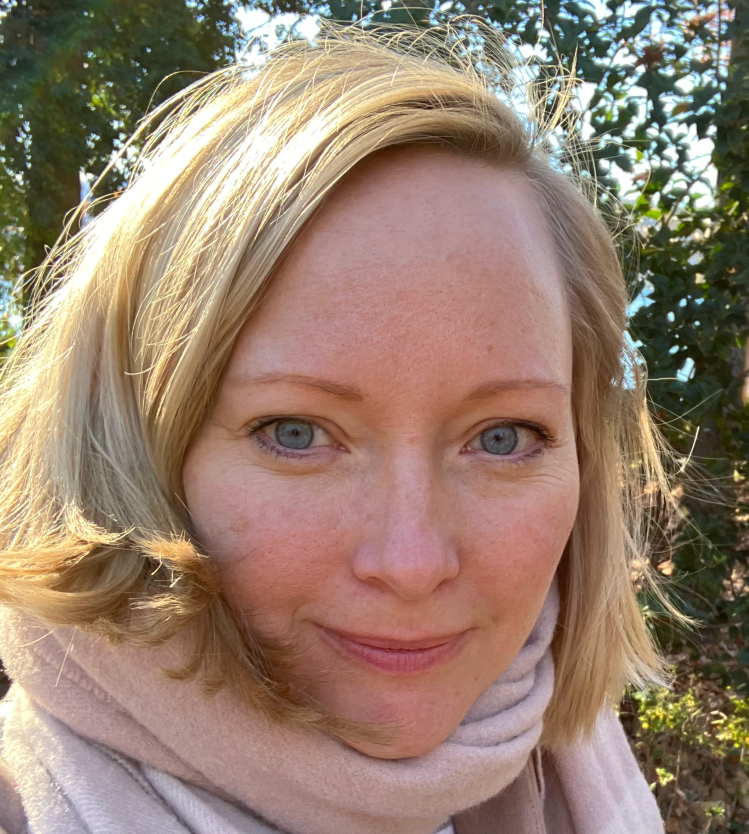
Maaret Jokela-Pansini is a Senior Research Associate at the School of Geography and the Environment at the University of Oxford. She is interested in experiences of health and wellbeing related to illness, quality of life, and environmental risks, their impact on people’s daily lives, and the underlying inequalities. Drawing on her background in non-governmental organisations, Maaret’s research is deeply rooted in community-based methodologies, bridging the gap between academia and public engagement. She is also a certified yoga teacher (200 hours).
Email: maaret.jokela-pansini(at)ouce.ox.ac.uk
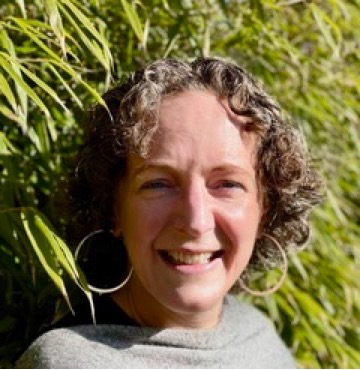
Beth Greenhough is professor of human geography and fellow of Keble College, Oxford. Her research explores the ways in which humans and animals become resources for biomedical research, and the role of patient and public expertise in developing understandings of health and disease. She is a co-author of Bodies Across Borders (Ashgate) Health Geographies: A Critical Introduction (Wiley-Blackwell) and Bioinformation (Polity).
Email: beth.greenhough(at)ouce.ox.ac.uk
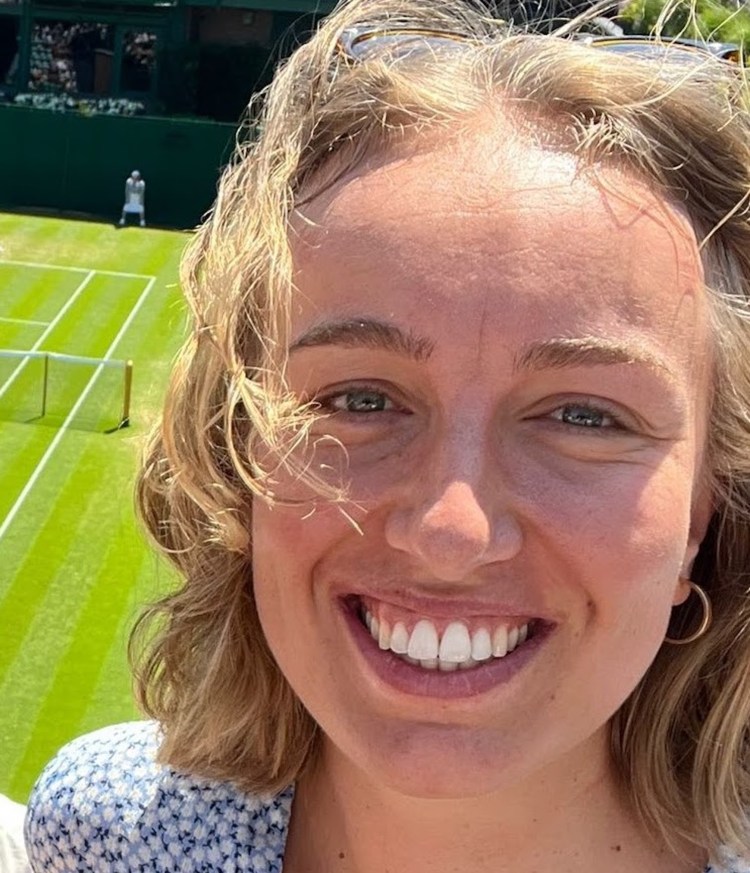
Oonagh Cousins is a visiting research fellow at the School of Geography and the Environment, University of Oxford. She is a former professional athlete from the British Rowing Team. She was preselected for the Tokyo Olympics in March 2020, but was forced to retire from professional sport as a result of Long Covid. She holds an MSc in Development Studies from SOAS, and MA in Biological Natural Sciences from University of Cambridge. She is also an Ambassador for the charity Long Covid Support.
Email: oonagh.cousins(at)ouce.ox.co.uk
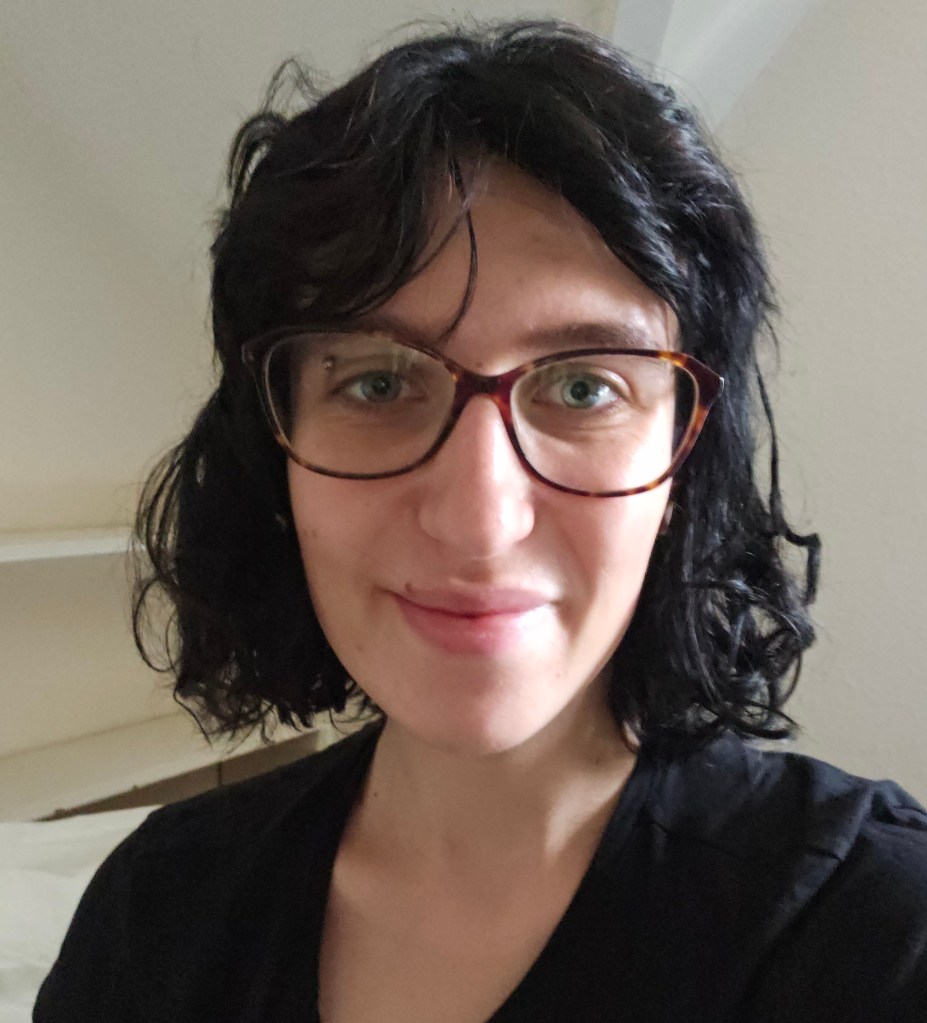
Amelia Zabicka is currently an undergraduate student in Sociology at University of East Anglia. Her focus is mostly on digital sociology and the uses of AI within society. Her involvement with the project is through the UNIQ+ project where she is interning at the TechLab helping with studying the economic impacts on individuals with Long Covid.
Email: amelia.zabicka(at)visiting.ox.ac.uk
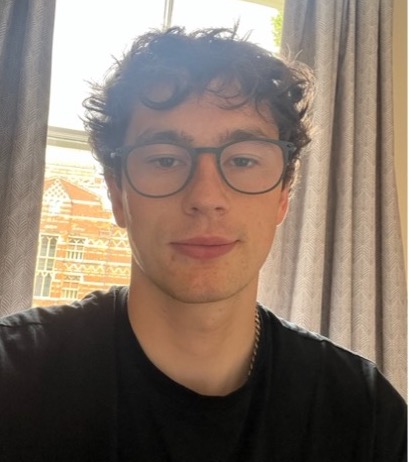
Tom Crothers is a visiting undergraduate student studying Economics and Econometrics at the University of York. He has an interest in combining the qualitative and quantitative aspects of Economics to gain clearer insights. His involvement with the project is through the UNIQ+ project where he is interning at the Tech life Lab helping with studying the economic impacts on individuals with Long Covid.
Email: tom.crothers(at)visiting.ox.ac.uk
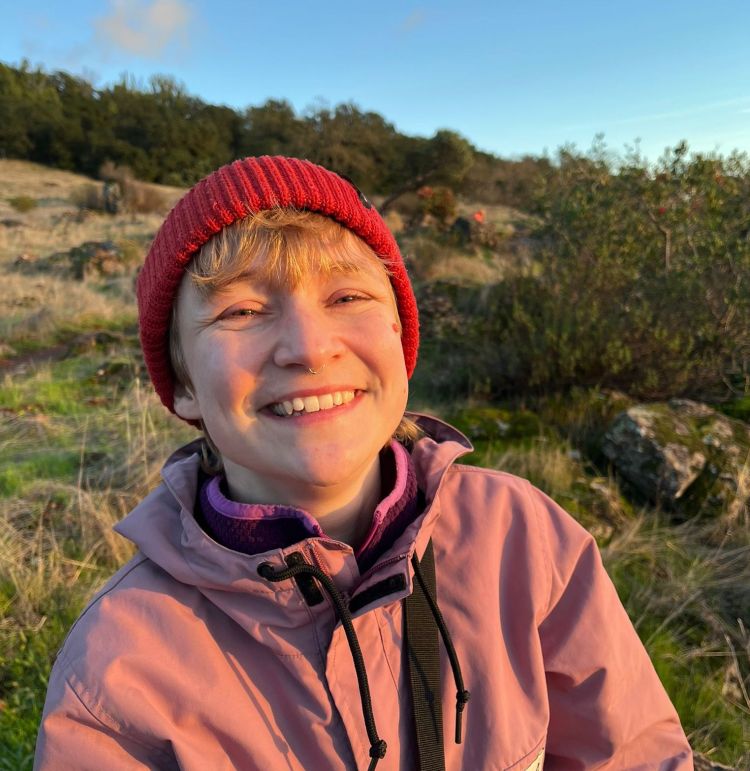
Lea Anderson is a DPhil student at the School of Geography and the Environment, University of Oxford, whose research explores the influence of community land ownership and other cooperative property regimes on nature recovery. Lea is supporting the supervision of the project’s UNIQ+ interns as they study the economic impacts experienced by individuals with Long Covid.
Email: lea.anderson(at)ouce.ox.ac.uk
Collaborators
Nisreen Alwan (Fellowship advisory board) is Professor of Public Health at the University of Southampton and Honorary Consultant in Public Health at University Hospital Southampton NHS Foundation Trust. She leads research in maternal and child health towards optimising the wellbeing of families, preventing future chronic disease and reducing health inequalities. During the Covid-19 pandemic, she focused on the quantification and recognition of Long Covid. She was awarded an MBE for services to Medicine and Public Health during the pandemic in the Queen’s New Year Honours 2021.
Ella Barnard (Fellowship advisory board) has lived experience of Long Covid and is a Consultant at Orchard Talent, having previously served as a Captain in the British Army. She holds a MA in International Relations from the University of Sydney and MA in Philosophy from University of Cambridge.
Chantal Britt (collaborator in Visualising Long Covid in Switzerland) is a research associate at the Institute for Collaborative Healthcare and Leadership, Bern University of Applied Sciences with participatory projects focusing on chronic postinfectious conditions and patient engagement. She is a former journalist and science communications specialist with an MA in Translation from the University of Geneva and an EUPATI (European Patients’ Academy on Therapeutic Innovation) fellow. Chantal is the president of the patient organisation Long Covid Switzerland, Chair of Long COVID Europe, and active in different patient advocacy groups.
Jo Dainow (Fellowship advisory board) has lived experience of Long Covid having originally caught Covid in March 2020. She is a founding member and trustee of the charity Long Covid Support and manages the operations for the charity in addition to overseeing peer support, communications and collaborations. Her previous professional experience was within the creative operations area of the global entertainment industry and within various marketing agencies. She also has experience in coaching and mentoring, is a volunteer walk leader for Walk Wandsworth and a Director of a Vintage VW Campervan hire company.
Caroline Dalton (Fellowship advisory board) is an Associate Professor of Neuroscience and Genetics. She leads the Living Well with Chronic Disease theme at the Advanced Wellbeing Research Centre, and the Health and Disease group at the Biomolecular Sciences Research Centre, both at Sheffield Hallam University. Her research interests include the investigation of the molecular mechanisms underlying responses to interventions to treat complex conditions such as schizophrenia, depression and obesity. She has been working with the charity Long Covid Support since 2020. She is currently carrying out studies on symptom and activity tracking in Long Covid, alongside mechanistic studies that investigate the underlying biological causes of Long Covid symptoms.
Gail Davies (Fellowship advisory board) is a Professor in Human Geography at the University of Exeter. Her work is located at the intersection of human geography, science and technology studies, and human and animal health. She is committed to developing meaningful processes for engagement between different knowledge practices. She was appointed to the UK’s Animals in Science Committee in 2013-2019 and chaired the 2017 review of Harm–Benefit Analysis in UK animal research. She is currently on the Steering Committee for the Swiss National Science Foundation programme for Advancing 3Rs, continuing to support opportunities for the social sciences to understand changing social relations around biomedical research.
Pía Délano is a physiotherapist from Universidad Mayor, holds a Master’s degree in Public Health from the Pontifical Catholic University of Chile, and is currently a predoctoral student at the Center for Research in Occupational Health at Pompeu Fabra University in Barcelona. Her research focuses on understanding the impact of Long Covid on healthcare professionals, how it has affected their work performance, their return to work, and the potential consequences for healthcare systems. In our project, Pía collaborates with the team on a comparative European study on the economic impact experienced by people with Long Covid.
Mark Faghy (Fellowship advisory board) is a Professor in Clinical Exercise Science at the School of Sport and Exercise Science, University of Derby and is a researcher in the Biomedical and Clinical Exercise Science Research Theme. He is currently leading several international investigations to increase understanding and awareness of Long Covid. He is also serving as an executive board member for the World Health Network and an advisor for the leading Long COVID organisations charities (Long COVID Physio, Long COVID Kids, Long COVID Support and Long COVID SOS). He serves as a core member of the Healthy Living for Pandemic Event Protection (HL-Pivot) international network and the British Association of Sport and Exercise Sciences (BASES) Public Advisory and External Affairs Committee. He is also an accredited clinical exercise physiologist by the Registration Council for Clinical Physiologists (RCCP) and exercise scientist by BASES and continues to work with athletes from applied settings.
 Visualising Long Covid